Napoleon Bonaparte remains one of the most influential figures in world history. Rising from modest origins on the island of Corsica, Napoleon transformed himself into Emperor of France and, through relentless ambition, warfare, and reform, reshaped Europe in ways that are still visible today. His campaigns redrew borders, dismantled old political systems, spread revolutionary ideals, and laid the foundations for modern European states. To understand how Napoleon reshaped Europe, we must look beyond the battlefield and examine his political, social, and legal legacy across the continent.
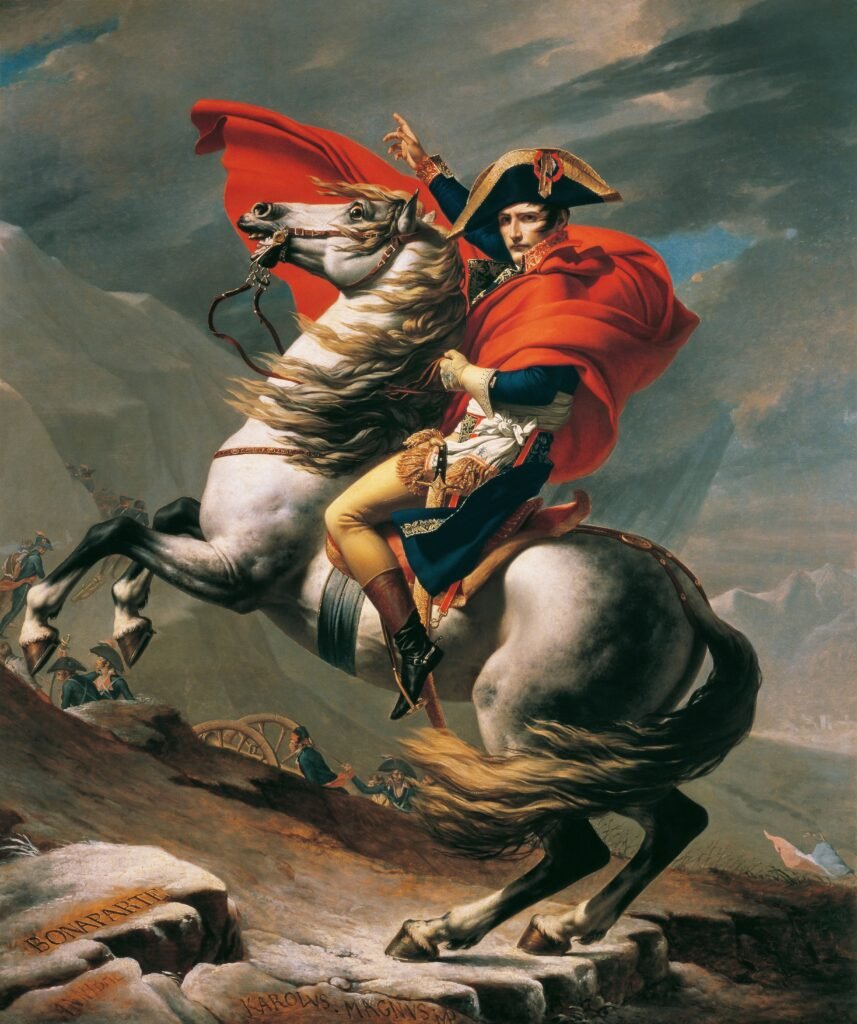
The Rise of Napoleon: From Revolutionary Soldier to Emperor
Napoleon’s ascent was inseparable from the French Revolution. Born in 1769, he came of age during a time when old monarchies were collapsing and new ideas about equality, citizenship, and nationalism were emerging. Napoleon’s military talent became evident during the Revolutionary Wars, particularly in Italy, where his swift victories brought him national fame.
By 1799, France was exhausted by instability and war. Napoleon seized this opportunity through the Coup of 18 Brumaire, overthrowing the Directory and installing himself as First Consul. Just five years later, he crowned himself Emperor of the French. This moment symbolized a dramatic shift: revolutionary ideals fused with imperial ambition. Napoleon was no longer just defending France—he intended to dominate Europe.
Napoleon and the Transformation of European Warfare
One of the most immediate ways Napoleon reshaped Europe was through war. His military campaigns altered how wars were fought and how states mobilized their populations.
Mass Armies and Modern Warfare
Napoleon perfected the use of mass conscription, creating huge citizen armies motivated by nationalism rather than loyalty to kings alone. These armies moved faster, lived off the land, and relied on coordinated corps rather than rigid formations. European powers were forced to adapt or face defeat.
As a result, warfare became more total and destructive. States began reorganizing their economies and societies to support large-scale military efforts, a shift that marked the beginning of modern warfare in Europe.
Redrawing the Map of Europe
Through victories at battles such as Austerlitz, Jena, and Wagram, Napoleon defeated Austria, Prussia, and Russia at various points. He dismantled the Holy Roman Empire in 1806, ending an institution that had existed for over a thousand years. In its place, Napoleon created new political entities such as the Confederation of the Rhine, directly reshaping the political map of Central Europe.
The Napoleonic Code: A Legal Revolution
Perhaps Napoleon’s most enduring achievement was not military, but legal. The Napoleonic Code, introduced in 1804, transformed legal systems across Europe.
Equality Before the Law
The Napoleonic Code abolished feudal privileges and established the principle that all male citizens were equal before the law. It guaranteed property rights, standardized legal procedures, and made laws clear and accessible. In doing so, Napoleon dismantled centuries-old feudal systems that dominated European society
Influence Beyond France
As Napoleon expanded his empire, he imposed the Napoleonic Code across much of Europe, including parts of Italy, Germany, the Netherlands, and Poland. Even after his defeat, many European states retained these legal reforms. Today, modern legal systems in France, Belgium, Italy, and beyond still bear the imprint of Napoleon’s reforms, demonstrating how Napoleon reshaped Europe through law as much as conquest.
Nationalism: An Unintended Consequence of Napoleon’s Rule
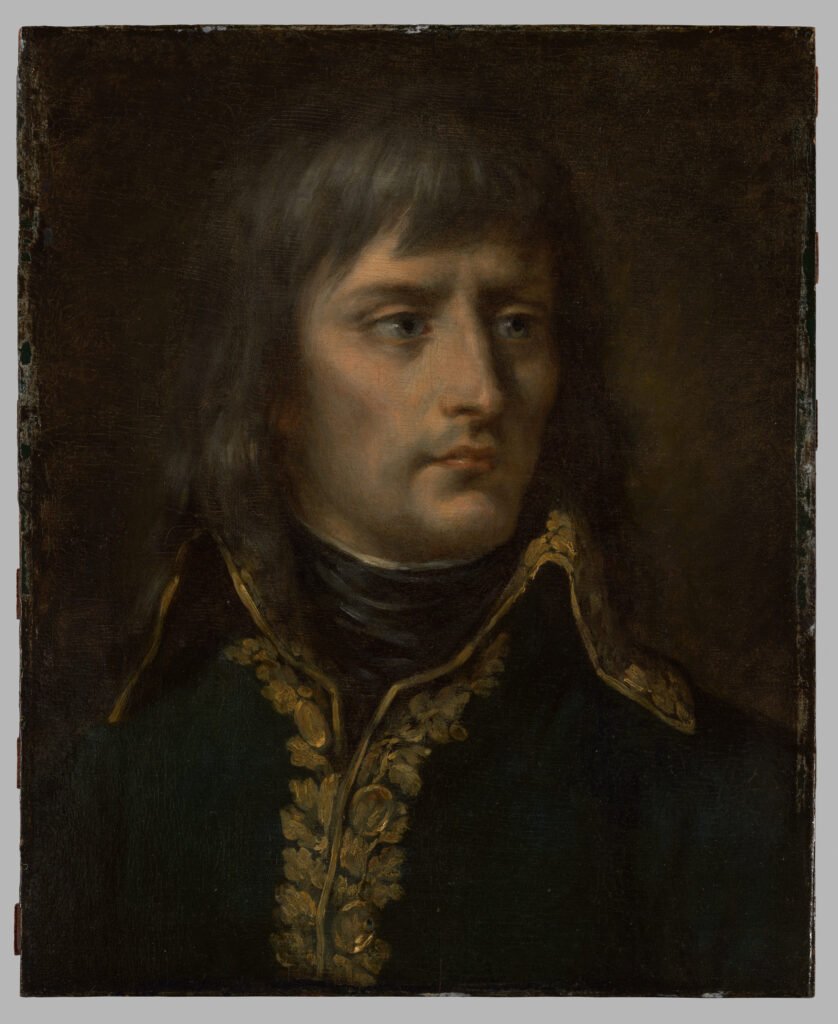
While Napoleon sought to dominate Europe, his actions ironically fueled the rise of nationalism—the very force that would later dismantle empires.
Awakening National Identity
French rule brought both reform and resentment. In regions like Germany, Italy, and Spain, Napoleon abolished old aristocratic privileges and modernized administration. However, foreign occupation sparked resistance. People began to see themselves not just as subjects of a ruler, but as members of a nation with shared language, culture, and history.
The Spanish resistance during the Peninsular War is a prime example. Guerrilla warfare against French forces inspired nationalist movements across Europe. These movements would later play a crucial role in the unification of Germany and Italy in the 19th century.
Economic Warfare and the Continental System
Napoleon understood that reshaping Europe required economic dominance as well as military victory. His answer was the Continental System.
The Continental System Explained
The Continental System was an economic blockade designed to weaken Britain by cutting it off from European markets. Napoleon banned British goods across much of continental Europe, hoping to cripple Britain’s economy.
Economic Impact on Europe
While the Continental System harmed Britain to some extent, it also damaged European economies. Smuggling became widespread, industries collapsed in some regions, and resentment against French control grew. These economic pressures contributed to resistance against Napoleon’s rule and highlighted the limits of economic warfare.
Despite its failure, the Continental System demonstrated how deeply Napoleon reshaped Europe by linking military strategy with economic policy on a continental scale.
Political Reform and Centralization
Napoleon reshaped Europe by introducing centralized governance and administrative efficiency.
End of Feudalism
Across conquered territories, Napoleon abolished feudal obligations, serfdom, and guild restrictions. This freed peasants and merchants, encouraging economic mobility and modernization. Old aristocracies lost power, while merit-based advancement became more common.
Bureaucratic States
Napoleon introduced standardized taxation, education systems, and civil administration. These reforms strengthened the modern state and influenced European governments long after Napoleon’s fall. Even his enemies adopted similar reforms to compete with France.
The Fall of Napoleon and the Congress of Vienna
Napoleon’s ambition ultimately led to his downfall. The disastrous invasion of Russia in 1812 destroyed much of his army. European powers united against him, leading to his defeat and exile in 1814, his brief return during the Hundred Days, and his final defeat at Waterloo in 1815.
Congress of Vienna
After Napoleon’s defeat, European leaders met at the Congress of Vienna to restore stability. They sought to undo many of Napoleon’s changes by restoring monarchies and balancing power among states. However, they could not erase his legacy.
Borders had changed, societies had modernized, and nationalist ideas could not be suppressed forever. The Europe that emerged after 1815 was fundamentally different from the one Napoleon had inherited.
Long-Term Effects: How Napoleon Reshaped Europe Forever
Napoleon’s influence extended far beyond his lifetime. His reforms accelerated the transition from feudal societies to modern nation-states.
Foundation for Modern Europe
- Legal equality and civil rights became standard expectations.
- Nationalism reshaped political movements and state formation.
- Centralized governments replaced fragmented feudal systems.
- Modern military organization became the norm.
Napoleon reshaped Europe not just by conquering territory, but by transforming how Europeans thought about law, power, identity, and the state.
Napoleon’s Complex Legacy
Napoleon Bonaparte was both a liberator and a tyrant. He spread revolutionary ideals while ruling as an autocrat. He destroyed old regimes while creating new forms of domination. This duality makes him one of history’s most complex figures.
Yet there is no denying that Napoleon reshaped Europe forever. The political borders, legal systems, and nationalist movements of modern Europe all trace part of their origins to his ambitions.
Conclusion
Napoleon’s ambitions reshaped Europe through war, reform, and ideology. By dismantling feudal systems, spreading legal equality, awakening nationalism, and redefining warfare, Napoleon left an indelible mark on European society. Even in defeat, his legacy endured, influencing generations of leaders and shaping the continent’s modern identity. Understanding Napoleon is essential to understanding how Europe became what it is today.